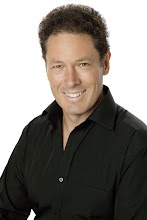
The City to Surf run saw over 40,000 participants this year in Perth. I did the 12km run from the City for the first time and was pretty pleased with my effort. Yes with a bit more training I could have sliced a few minutes off the time but the aim is participation and completion. Next year I can aim to beat this year’s time.
Running along there were a number of interesting things to observe. The first and most obvious is that such a large number of people get involved in the run on a Sunday morning and that there is a genuine community feel about it. Authorities often get worried when large numbers of people gather yet here was a huge gathering and no problems whatsoever.
There were people of all shapes sizes and ages. From babies being pushed in prams through to people in their 70’s.Everyone is out to do their best and enjoy the journey. Whilst there are a handful of “professional “ runners at the front the vast majority are people who are running for fitness and enjoyment.
There were a few “casualties” along the way. Not surprisingly these were more towards the end of the run. A few people had pushed themselves a bit too hard and needed to lie down at the side of the road. Some needed assistance from first aid workers.
Little things also caught my eye. A child was holding a sign which read” Go Pop” around the half way mark. A woman had brought a chair and was sitting on the grass watching the runners go by. This is a different form of entertainment no doubt.
Near the base of the second major hill (just near the half way mark) there was a pleasant surprise. A group of people from one of the sponsors was offering high fives to runners going by and had placards with encouraging words. I must say that this was really good. Knowing that a steep hill was looming and getting to that half waypoint where energy and motivation can sag a bit, this sort of encouragement gave me a lift. So a big thanks to the Westpac Bank crew in their red T-shirts.
Much is made of the cost of these events and the disruption. Yes there were many policemen on patrol at closed roads. To be honest this is a better use of their time than standing around with speed radar guns on dual carriageways catching people doing 5kph over the limit (no I have not been caught). This is actually police work which supports the community.
And yes there is some disruption to traffic. Roads are closed and people have to find alternate routes. Given the large amount of warning time in advance this is hardly an issue. Part of the proceeds from the run goes to charity too.
So the councilor who wondered why the run could not be done somewhere else will be pleased no doubt to find the world still spinning.
A large number of people had a run on a Sunday morning, getting some fresh air sunshine and exercise together with a sense of purpose and in many instances connecting with other people too. All of us have covered four pillars of DIY health in one outing. If you then add the fact that everyone was kept hydrated through the event and will sleep well tonight we are up to six.
Not bad for a Sunday morning.
Showing posts with label exercise health fitness wellbeing. Show all posts
Showing posts with label exercise health fitness wellbeing. Show all posts
Saturday, September 4, 2010

Friday, May 14, 2010
Healthy Bones Need Sunshine And Exercise Not Pills
One of the reasons that “healthcare” is so expensive is that the expensive option is usually researched more and pushed more than inexpensive options. Falls, particularly in the elderly are a major cause of illness and can at times be the trigger for admission to a care facility for someone who previously lived independently. This is not just because of the fall as such but is compounded by a hospital stay, which is always debilitating.
Governments, are often interested in ways to prevent falls and hence save themselves some dollars. We have also seen the creation of osteoporosis as a disease to be treated with the notion being, that doing so prevents fractured bones. There are a number of drugs, which are used to “treat” osteoporosis. Indeed the widespread use of hormone replacement therapy, which has now been discredited, was justified on the basis of preventing osteoporosis.
Osteoporosis is a “thinning” of the bones as we age. Like many aspects of the body there is change over the years. However it is not a function of age alone. It is a function of how we look after our bones along the way. The condition, like many in medicine, is defined statistically. In much the same way as someone is the shortest in the room, someone will have the least “dense” bones.
Of itself it is (with exceptions) a painless condition which of itself (again with exceptions) does no harm. Problems arise because of fractured (broken) bones. However this can occur in any age group including children so is not confined to the elderly.
So if our aim is to reduce fracture rates, then we should be interested in ways to prevent falls. Placing a whole lot of people on drugs does not do this. The best way to prevent fractures is to prevent falls. The best way to do this is through regular exercise so that muscles and coordination remain as good as they can be. Recent studies have shown that older people who participate in martial arts classes or regular dancing reduce their fall and fracture rate. Both are obviously forms of exercise. In addition to this they both, in different ways, emphasize co-ordination and balance. These are important in preventing falls.
Furthermore if we are really interested in our bones then we can be doing things to care for them. Adequate intake of green vegetables for calcium and minimizing sugary foods (which leach calcium out of the bones) is important. Regular aerobic and resistance exercise keeps the bones and muscles strong. The other key component is vitamin D, which is free form the sun.
One of the tragedies of aged care is to see elderly people denied fresh air and sunshine. Rather than giving them tablets for their bones, how about letting them sit in the sun for 15 minutes or so per day so they do not become vitamin D deficient.
So rather than see loss of bone strength as a disease needing pills, we need to see it as a consequence of not looking after our bones. Whilst sooner is better, it is never too late to start caring for your bones with simple measures as we have seen above.
Governments, are often interested in ways to prevent falls and hence save themselves some dollars. We have also seen the creation of osteoporosis as a disease to be treated with the notion being, that doing so prevents fractured bones. There are a number of drugs, which are used to “treat” osteoporosis. Indeed the widespread use of hormone replacement therapy, which has now been discredited, was justified on the basis of preventing osteoporosis.
Osteoporosis is a “thinning” of the bones as we age. Like many aspects of the body there is change over the years. However it is not a function of age alone. It is a function of how we look after our bones along the way. The condition, like many in medicine, is defined statistically. In much the same way as someone is the shortest in the room, someone will have the least “dense” bones.
Of itself it is (with exceptions) a painless condition which of itself (again with exceptions) does no harm. Problems arise because of fractured (broken) bones. However this can occur in any age group including children so is not confined to the elderly.
So if our aim is to reduce fracture rates, then we should be interested in ways to prevent falls. Placing a whole lot of people on drugs does not do this. The best way to prevent fractures is to prevent falls. The best way to do this is through regular exercise so that muscles and coordination remain as good as they can be. Recent studies have shown that older people who participate in martial arts classes or regular dancing reduce their fall and fracture rate. Both are obviously forms of exercise. In addition to this they both, in different ways, emphasize co-ordination and balance. These are important in preventing falls.
Furthermore if we are really interested in our bones then we can be doing things to care for them. Adequate intake of green vegetables for calcium and minimizing sugary foods (which leach calcium out of the bones) is important. Regular aerobic and resistance exercise keeps the bones and muscles strong. The other key component is vitamin D, which is free form the sun.
One of the tragedies of aged care is to see elderly people denied fresh air and sunshine. Rather than giving them tablets for their bones, how about letting them sit in the sun for 15 minutes or so per day so they do not become vitamin D deficient.
So rather than see loss of bone strength as a disease needing pills, we need to see it as a consequence of not looking after our bones. Whilst sooner is better, it is never too late to start caring for your bones with simple measures as we have seen above.
Tuesday, May 11, 2010
Cancer - What If You Have A Say In It ?
It is amazing how discoveries, which are simple, do not make big news. If a pill which reduced breast cancer by one third was released it would be big news. There would be massive demand and the company, which made it, would see profits and the share price rocket.
There is of course no pill, which does this. The same effect can be achieved, by eating less, exercising more, and having only moderate alcohol intake. Regular exercise alone leads to a halving of lifetime risk of breast cancer. Does it really matter if the way to reduce your chance of getting breast cancer by one third is by taking a tablet or doing other simple things? Apparently it does.
Whilst this finding, which came from The University of Milan, made some newswires it was hardly the front-page story that the release of a pill would be. Why is this? In my opinion there are two reasons.
Firstly we have become conditioned to look for technological solutions rather than simple ones. In the long and thus far unsuccessful “war” on cancer hundreds of billions of dollars have been spent looking for new breakthroughs. If the solution is something we sort of knew all along and is not a “breakthrough” then people tend to switch off. We also tend to think, “it can not be that simple”. When answers are obvious or right in front of us we tend to be dismissive, as we have become conditioned to look for the complex.
There is a second reason and this highlighted in some of the reaction to this. A spokesperson for a British cancer charity said their agency was very careful about issuing similar lifestyle advice. Ian Manley from Breast Cancer Care told Fox News “We would never want women to feel responsible for their breast cancer”.
How exactly does this help women? If there are things that they are doing which makes it more likely they get cancer then surely taking responsibility and doing something different would be the way to go. We are not talking force fields which mean you can not possibly get cancer but a one third reduction in risk is certainly worthwhile. Many in the health arena are paranoid about what is called “blaming the victim”. This essentially portrays anyone who has disease as an innocent bystander who is totally helpless and has been struck at random by forces completely beyond their control.
What about if we rephrase this as, “the actions of an individual lead to certain consequences”. Hence if by eating certain foods, being overweight and not exercising you have significantly increased your chances of getting cancer then those are choices you have made and cancer may be one of the consequences.
To use an analogy, if you stand in the middle of a freeway your chances of getting hit by a car are much greater than if you stand on the sidewalk. On the road the cars may avoid you and it is possible to be hit by a car, which leaves the road and hits you on the sidewalk. However you know where the odds of getting hit are greater. If you deliberately do certain things which increase your chances of getting cancer (or any disease) then it not really a random action beyond your control if that disease eventuates.
The great thing about being responsible for your health is that it puts you in charge. You can make the changes and in turn change your odds of “getting hit”. It is a no brainer to walk on the sidewalk rather than down the middle of the road. Doing regular exercise, maintaining a healthy weight, eating mainly “real” rather than processed food and moderating alcohol intake are collectively the same no brainer when it comes to breast cancer.
There is of course no pill, which does this. The same effect can be achieved, by eating less, exercising more, and having only moderate alcohol intake. Regular exercise alone leads to a halving of lifetime risk of breast cancer. Does it really matter if the way to reduce your chance of getting breast cancer by one third is by taking a tablet or doing other simple things? Apparently it does.
Whilst this finding, which came from The University of Milan, made some newswires it was hardly the front-page story that the release of a pill would be. Why is this? In my opinion there are two reasons.
Firstly we have become conditioned to look for technological solutions rather than simple ones. In the long and thus far unsuccessful “war” on cancer hundreds of billions of dollars have been spent looking for new breakthroughs. If the solution is something we sort of knew all along and is not a “breakthrough” then people tend to switch off. We also tend to think, “it can not be that simple”. When answers are obvious or right in front of us we tend to be dismissive, as we have become conditioned to look for the complex.
There is a second reason and this highlighted in some of the reaction to this. A spokesperson for a British cancer charity said their agency was very careful about issuing similar lifestyle advice. Ian Manley from Breast Cancer Care told Fox News “We would never want women to feel responsible for their breast cancer”.
How exactly does this help women? If there are things that they are doing which makes it more likely they get cancer then surely taking responsibility and doing something different would be the way to go. We are not talking force fields which mean you can not possibly get cancer but a one third reduction in risk is certainly worthwhile. Many in the health arena are paranoid about what is called “blaming the victim”. This essentially portrays anyone who has disease as an innocent bystander who is totally helpless and has been struck at random by forces completely beyond their control.
What about if we rephrase this as, “the actions of an individual lead to certain consequences”. Hence if by eating certain foods, being overweight and not exercising you have significantly increased your chances of getting cancer then those are choices you have made and cancer may be one of the consequences.
To use an analogy, if you stand in the middle of a freeway your chances of getting hit by a car are much greater than if you stand on the sidewalk. On the road the cars may avoid you and it is possible to be hit by a car, which leaves the road and hits you on the sidewalk. However you know where the odds of getting hit are greater. If you deliberately do certain things which increase your chances of getting cancer (or any disease) then it not really a random action beyond your control if that disease eventuates.
The great thing about being responsible for your health is that it puts you in charge. You can make the changes and in turn change your odds of “getting hit”. It is a no brainer to walk on the sidewalk rather than down the middle of the road. Doing regular exercise, maintaining a healthy weight, eating mainly “real” rather than processed food and moderating alcohol intake are collectively the same no brainer when it comes to breast cancer.
Friday, April 16, 2010
Parks Are For Exercising Even If It Wears Down The Grass
It is always amazing how little things can make a big difference. You would think that with all the talk about problems with obesity and people being too sedentary that all levels of government would be taking steps to encourage people to exercise. At very least you would not expect them to put up barriers.
Sadly you would be wrong. The City Of Stirling (in West Australia) wants to charge personal trainers up to $50 an hour to use parks and reserves. Two bizarre excuses were offered. One was that the council must charge trainers because of the wear and tear on parks. The other was that parks are not provided for businesses to get a “commercial gain”.
What a load of rubbish!
Parks are actually designed to be used. They are not ornamental. The whole purpose of having public parks is so that people can use them. Large grassed areas are ideal for running, throwing a ball or doing all forms of healthy outdoor activity. The “wear and tear” line reminds me of the lady in a Fawlty Towers episode who had difficulty hearing but when asked about her hearing aid said she did not use it because it ran the batteries down.
We have parks but we do not use them because it wears the grass down! Even if there is some truth to this, all levels of government are encouraging people to be more active and public parks are provided for…public use. Every year we pay rates to councils and basically all they do is collect the rubbish once a week and water the parks. If maintaining public parks in the face of public usage is too hard for the poor dears then they need a reality check.
The second excuse is completely self-serving. Most trainers are small business people. Most do not charge huge amounts of money. It is also a fact that the presence of a trainer will encourage people to exercise and push themselves a little bit. Exercising in a group is popular as it provides a social benefit as well as the fitness side. The fact that the trainer provides a service to those people exercising does not mean they are getting a “commercial gain” from the park, they are earning a living by providing a service to people who live in the area and pay rates to the council to maintain a park for public use.
One trainer, is not wearing down the grass, it is the collective use of all the people exercising. Presumably this council hopes that its charge will discourage trainers. In turn that means it hopes ratepayers will not exercise in the park and not wear down the grass. One can assume it hopes they will stay inside watching TV instead.
Rather than discourage trainers, if governments were serious about health they would subsidize trainers at every park so that more people would do regular exercise. Some of this money could be diverted from funding of elite athletes. Some could come from the health budget.
With a healthier population, there might be just enough savings from the health (disease) budget to pay for grounds maintenance.
Sadly you would be wrong. The City Of Stirling (in West Australia) wants to charge personal trainers up to $50 an hour to use parks and reserves. Two bizarre excuses were offered. One was that the council must charge trainers because of the wear and tear on parks. The other was that parks are not provided for businesses to get a “commercial gain”.
What a load of rubbish!
Parks are actually designed to be used. They are not ornamental. The whole purpose of having public parks is so that people can use them. Large grassed areas are ideal for running, throwing a ball or doing all forms of healthy outdoor activity. The “wear and tear” line reminds me of the lady in a Fawlty Towers episode who had difficulty hearing but when asked about her hearing aid said she did not use it because it ran the batteries down.
We have parks but we do not use them because it wears the grass down! Even if there is some truth to this, all levels of government are encouraging people to be more active and public parks are provided for…public use. Every year we pay rates to councils and basically all they do is collect the rubbish once a week and water the parks. If maintaining public parks in the face of public usage is too hard for the poor dears then they need a reality check.
The second excuse is completely self-serving. Most trainers are small business people. Most do not charge huge amounts of money. It is also a fact that the presence of a trainer will encourage people to exercise and push themselves a little bit. Exercising in a group is popular as it provides a social benefit as well as the fitness side. The fact that the trainer provides a service to those people exercising does not mean they are getting a “commercial gain” from the park, they are earning a living by providing a service to people who live in the area and pay rates to the council to maintain a park for public use.
One trainer, is not wearing down the grass, it is the collective use of all the people exercising. Presumably this council hopes that its charge will discourage trainers. In turn that means it hopes ratepayers will not exercise in the park and not wear down the grass. One can assume it hopes they will stay inside watching TV instead.
Rather than discourage trainers, if governments were serious about health they would subsidize trainers at every park so that more people would do regular exercise. Some of this money could be diverted from funding of elite athletes. Some could come from the health budget.
With a healthier population, there might be just enough savings from the health (disease) budget to pay for grounds maintenance.
Friday, March 26, 2010
Fitness Is Important Regardless of Your Day Job
Politicians can be criticized for many things. Being fit and healthy is not usually one of them. The general view of the lifestyle of the average politician would be one of too many meals out perhaps accompanied by a bit too much alcohol. Regular exercise is not often associated with politicians. Now, this is of course a generalization. There will be those who are watchful of what they eat and some maintain a fitness regime.
Australian Federal opposition leader Tony Abbott is a rare breed amongst politicians in that he is a fitness fanatic. He competes in iron man events and triathlons. He is in extremely good physical shape for his age and is getting known for photos in his Speedos. This is a rare look for any politician.
Now I am fairly fit and a couple of years younger than Mr. Abbott and have no desire to emulate his efforts. It is not necessary to do as much exercise as he does to be in good health.
It is interesting to see some of the reaction to this. Obviously political opponents want to score points so it can be argued that making jokes about media pictures of Mr. Abbott in his “budgie smugglers” as his bathers are colloquially known is fair game. Equally is the jibe that the public may be tiring of seeing photos of him in bathers on the beach.
There has been another criticism which is a bit stranger particularly sitting against the backdrop of ongoing discussion over health care reform. He has been criticized for spending too much time keeping fit rather than being at work. Now I do not know exactly how many hours per week he spends on his exercise regime or doing his day job. The Federal Treasurer was quoted as saying” I do not know where he finds the time …”.
Jokes aside, there are serious issues that emerge from this. Firstly no matter what your day job is, looking after your health is vital and keeping fit is a key part of this. We all have 24 hours in the day. Some of us prioritize exercise and others do not. Some of us are efficient in our tasks, others less so. Some people, not just politicians, wear the hours they work as some sort of honor badge- it is no such thing.
Excessive hours at work are not good for health as it makes your life unbalanced. In addition to this, the longer one works without break the less productive one becomes. On top of this exercise helps mental clarity and helps you sleep better. Hence a fit person will often get more done in less time that someone who is not fit. Of course exercise helps you maintain a healthy weight and reduces your risks of disease such as heart disease and stroke to name but two.
So with all the arguments over “health “ reform and ways to pay for more disease services, which are required because many people do not exercise, it is in some ways refreshing to have a political leader who is leading by example when it comes to health. A politician who is showing that health is not about hospital beds but about looking after yourself.
Being fit is not grounds for bring elected.Like all politicians he needs to be judged ultimately on policies and how well he does his day job. Criticisms of his exercise regime particularly in an environment where governments are concerned about the spiraling costs of the consequences of not exercising are ridiculous.
Australian Federal opposition leader Tony Abbott is a rare breed amongst politicians in that he is a fitness fanatic. He competes in iron man events and triathlons. He is in extremely good physical shape for his age and is getting known for photos in his Speedos. This is a rare look for any politician.
Now I am fairly fit and a couple of years younger than Mr. Abbott and have no desire to emulate his efforts. It is not necessary to do as much exercise as he does to be in good health.
It is interesting to see some of the reaction to this. Obviously political opponents want to score points so it can be argued that making jokes about media pictures of Mr. Abbott in his “budgie smugglers” as his bathers are colloquially known is fair game. Equally is the jibe that the public may be tiring of seeing photos of him in bathers on the beach.
There has been another criticism which is a bit stranger particularly sitting against the backdrop of ongoing discussion over health care reform. He has been criticized for spending too much time keeping fit rather than being at work. Now I do not know exactly how many hours per week he spends on his exercise regime or doing his day job. The Federal Treasurer was quoted as saying” I do not know where he finds the time …”.
Jokes aside, there are serious issues that emerge from this. Firstly no matter what your day job is, looking after your health is vital and keeping fit is a key part of this. We all have 24 hours in the day. Some of us prioritize exercise and others do not. Some of us are efficient in our tasks, others less so. Some people, not just politicians, wear the hours they work as some sort of honor badge- it is no such thing.
Excessive hours at work are not good for health as it makes your life unbalanced. In addition to this, the longer one works without break the less productive one becomes. On top of this exercise helps mental clarity and helps you sleep better. Hence a fit person will often get more done in less time that someone who is not fit. Of course exercise helps you maintain a healthy weight and reduces your risks of disease such as heart disease and stroke to name but two.
So with all the arguments over “health “ reform and ways to pay for more disease services, which are required because many people do not exercise, it is in some ways refreshing to have a political leader who is leading by example when it comes to health. A politician who is showing that health is not about hospital beds but about looking after yourself.
Being fit is not grounds for bring elected.Like all politicians he needs to be judged ultimately on policies and how well he does his day job. Criticisms of his exercise regime particularly in an environment where governments are concerned about the spiraling costs of the consequences of not exercising are ridiculous.
Tuesday, February 9, 2010
Health is Your Responsibility
Children are taught from a fairly young age about the need to take responsibility for their actions. The classic tale is of Billy and Johnny standing next to a window, which has, had a brick thrown through it. An adult finding this asks who did this? To which Billy replies “ I did but only because Johnny told me to”.
Whilst Johnny may well get reprimanded for telling Billy to throw a brick through a window, Billy will be punished and told very clearly “just because Johnny tells you to do something doesn’t mean you have to do it. If Johnny told you to jump off a cliff would you do it?” The answer to this is of course no.
So the child learns that despite being egged on by peers, he needs to decide his own actions and not seek to blame others for his actions. Parents and teachers are charged with the job of teaching children about taking responsibility for their actions so that they can grow up to be responsible citizens.
It is therefore somewhat bizarre to see how often adults do not only use a variation of the excuse above but that adults are actually encouraged to use this excuse. I am of course referring to advertising. Who encourages adults to use the Jonny told me excuse- public health advocates.
The recent Health Reform Taskforce in Australia again raised the issue of ”banning” junk food advertising. This has been mooted before and is leapt on with glee by public health advocates who argue that it is an essential part of the battle against obesity.
Now wait a minute. How exactly does an ad make you obese? Apparently people are influenced by the ads and then go out and buy (and consume) foods, which are not good for them. Apparently if the ads were not there people wouldn’t do this.
Translated this is health officials telling the adult population that they are absolved from the responsibility of what they out in their mouths by being able to say “the ad told me to”. What must the average five year old who has just been sent to their bedroom for misbehavior make of this?
The other line run is that advertising in children's viewing time should be banned as children pressure their parents into buying the foods advertised. Hello!! This is little Jonny in reverse. It is now assumed that parents are so inept that they can’t decide what grocery items to buy. Being a parent means making decisions-some of which children may not like.
The bottom line is that the only person responsible for your actions is you. This is actually very empowering because if there is an aspect of your life that you are not happy with, you have the absolute power to change it.
It starts with you being responsible for what you do.
Wednesday, January 13, 2010
Benefits to You of Regular Exercise
One of the simplest ways to stay healthier for longer is to be regularly active. In some respects it is amazing that we need to be reminded of this. Up until fairly recent times being active was not optional-it was necessary for survival.
Our ancestors would only be able to eat if they caught or gathered food, both of which require exertion. Even after the advent of commercial agriculture most forms of work were physical. On top of that to get from A to B required physical effort.
If we examine our daily routine, it is remarkable how much the requirement for physical activity has been removed. Simple domestic tasks like washing the clothes the dishes have been automated. Even one generation ago you needed to get up out of the chair to change TV channels and get out of your car to open the garage door. You can even get pre chopped up vegetables!
It has been estimated that the amount of calories “not used” up in a year due to labor saving devices could be as much as 2kg of weight. By the end of 10 years that’s 20kg by eating exactly the same as you might have done 30 years ago!
Two common questions about exercise are, is it too late to start and when will I find the time. Great news then on both these fronts. A recent Israeli study showed that life expectancy in 85 year olds increased when they were active for 4 hours per week. There was a benefit even if they had not been active before this. In addition they reported feeling less down and had greater confidence in tackling everyday tasks.
At the other end of the spectrum a Norwegian study showed that women who exercised regularly in pregnancy avoided having babies with excessive birth weight, which is a plus for mother and baby. Not surprisingly there are plenty of studies around showing benefit to people at all ages.
So you are never too old or too young to start.
Lack of time is the number one excuse given for not exercising. A recent survey across many countries showed that the average time spent each day watching TV was at least 3 hours. That is 21 hours per week or nearly one whole day out of every week!!
For a reasonable exercise program you need 30 minutes 4 times a week or a minimum of 2 hours. A bit more is better but 2 hours per week is a start. This is 10% of average TV time. Put simply there is time there if you choose to look for it.
And herein lies the key. Exercise will happen and you will get the benefits when you choose to do it. This is really simple. There is no need for government programs, no need to wait till tomorrow and no need to spend a single cent. You can start walking today. If you haven’t done much for a while start at a low level. Just go around the block. After a week or two go around a bigger block. Gradually expand the distance. Increase your pace if you want to.
If you don’t like walking you can swim or bike ride, if you want to invest some money join a gym or get a personal trainer.Get involved in The Weekly Fitness Challenge. There are many choices. Please add your ideas below.
The single most important choice is choosing to be active regularly.
Our ancestors would only be able to eat if they caught or gathered food, both of which require exertion. Even after the advent of commercial agriculture most forms of work were physical. On top of that to get from A to B required physical effort.
If we examine our daily routine, it is remarkable how much the requirement for physical activity has been removed. Simple domestic tasks like washing the clothes the dishes have been automated. Even one generation ago you needed to get up out of the chair to change TV channels and get out of your car to open the garage door. You can even get pre chopped up vegetables!
It has been estimated that the amount of calories “not used” up in a year due to labor saving devices could be as much as 2kg of weight. By the end of 10 years that’s 20kg by eating exactly the same as you might have done 30 years ago!
Two common questions about exercise are, is it too late to start and when will I find the time. Great news then on both these fronts. A recent Israeli study showed that life expectancy in 85 year olds increased when they were active for 4 hours per week. There was a benefit even if they had not been active before this. In addition they reported feeling less down and had greater confidence in tackling everyday tasks.
At the other end of the spectrum a Norwegian study showed that women who exercised regularly in pregnancy avoided having babies with excessive birth weight, which is a plus for mother and baby. Not surprisingly there are plenty of studies around showing benefit to people at all ages.
So you are never too old or too young to start.
Lack of time is the number one excuse given for not exercising. A recent survey across many countries showed that the average time spent each day watching TV was at least 3 hours. That is 21 hours per week or nearly one whole day out of every week!!
For a reasonable exercise program you need 30 minutes 4 times a week or a minimum of 2 hours. A bit more is better but 2 hours per week is a start. This is 10% of average TV time. Put simply there is time there if you choose to look for it.
And herein lies the key. Exercise will happen and you will get the benefits when you choose to do it. This is really simple. There is no need for government programs, no need to wait till tomorrow and no need to spend a single cent. You can start walking today. If you haven’t done much for a while start at a low level. Just go around the block. After a week or two go around a bigger block. Gradually expand the distance. Increase your pace if you want to.
If you don’t like walking you can swim or bike ride, if you want to invest some money join a gym or get a personal trainer.Get involved in The Weekly Fitness Challenge. There are many choices. Please add your ideas below.
The single most important choice is choosing to be active regularly.
Tuesday, September 22, 2009
The Weekly Fitness Challenge
One of my great learning's this year has been social media in general and Twitter in particular. One of the interesting things to me has been the sense of community that develops in online gatherings. Whilst you may not personally have met the people,you certainly get a feel for who they are through the words and comments posted.
As in any gathering of people you tend to gravitate towards those who have similar interests and passions. With this in mind I find that I have “met up” with some wonderful people who are passionate about health and wellness and are doing something each day to make a difference.
One of my new Twitter buddies is Geoff Hampton who is the founder of The Weekly Fitness Challenge as well as being an author speaker and internationally respected business consultant. It is a great honor for me to have been appointed International Medical Director for The Weekly Fitness Challenge. There are a number of top people who have gotten involved on the board that Geoff has set up. (see link)
So what’s the big deal you may be asking? As I write in Dr Joes DIY Health-Putting You in Charge of your Health “The body is designed to be active and until recently, we didn’t have a choice as movement and physical activity were a normal part of life.
Our early forebears had to chase after food in order to survive and up until the industrial revolution most work was physical in nature.
Cars, labor-saving devices, escalators and remote controls have made for a very “easy” life. Collectively, the developed world is paying for its ability to automate simple everyday tasks and chores. The price is the growing rates of obesity and lower rates of fitness. It is worth noting that regular exercise is important at any weight and that being fit plays a role independent of weight in keeping you healthy.
Unfortunately, many people recoil in horror at this suggestion because exercise is seen as a chore. Furthermore, like many simple tasks where researchers and experts get involved, exercise has been portrayed as being far more complicated than it needs to be. “
Yet it doesn’t need to be hard. Exercise can be simple and most importantly fun.
This is why initiatives such as the weekly fitness challenge are so important. It is a program designed to get people who aren’t doing exercise to do so. It does this by encouraging those who do regular exercise to “reach out” to their family, friends or co-workers and get them active. There are 12-week cycles and each week there is a different activity. Each one is for group involvement emphasis is on fun and participation.
Geoff has designed the program to appeal to the unconverted. In other words it is fairly easy to get the message about exercise across to those who are exercising This is about reaching those who are not currently exercising regularly and helping them get started in a supportive environment.
The health benefits of regular activity are many. Whilst it may sound obvious, there is only benefit if you do it. Those who don’t exercise will get the benefits when they change behaviors and get active. The weekly fitness challenge is about getting people involved at a grass roots level and changing peoples lives for the better. I am very pleased to be able to contribute to this initiative.
http://perform-maxsystems.blogspot.com/2009/09/weekly-fitness-challenge-what-is-it.html
As in any gathering of people you tend to gravitate towards those who have similar interests and passions. With this in mind I find that I have “met up” with some wonderful people who are passionate about health and wellness and are doing something each day to make a difference.
One of my new Twitter buddies is Geoff Hampton who is the founder of The Weekly Fitness Challenge as well as being an author speaker and internationally respected business consultant. It is a great honor for me to have been appointed International Medical Director for The Weekly Fitness Challenge. There are a number of top people who have gotten involved on the board that Geoff has set up. (see link)
So what’s the big deal you may be asking? As I write in Dr Joes DIY Health-Putting You in Charge of your Health “The body is designed to be active and until recently, we didn’t have a choice as movement and physical activity were a normal part of life.
Our early forebears had to chase after food in order to survive and up until the industrial revolution most work was physical in nature.
Cars, labor-saving devices, escalators and remote controls have made for a very “easy” life. Collectively, the developed world is paying for its ability to automate simple everyday tasks and chores. The price is the growing rates of obesity and lower rates of fitness. It is worth noting that regular exercise is important at any weight and that being fit plays a role independent of weight in keeping you healthy.
Unfortunately, many people recoil in horror at this suggestion because exercise is seen as a chore. Furthermore, like many simple tasks where researchers and experts get involved, exercise has been portrayed as being far more complicated than it needs to be. “
Yet it doesn’t need to be hard. Exercise can be simple and most importantly fun.
This is why initiatives such as the weekly fitness challenge are so important. It is a program designed to get people who aren’t doing exercise to do so. It does this by encouraging those who do regular exercise to “reach out” to their family, friends or co-workers and get them active. There are 12-week cycles and each week there is a different activity. Each one is for group involvement emphasis is on fun and participation.
Geoff has designed the program to appeal to the unconverted. In other words it is fairly easy to get the message about exercise across to those who are exercising This is about reaching those who are not currently exercising regularly and helping them get started in a supportive environment.
The health benefits of regular activity are many. Whilst it may sound obvious, there is only benefit if you do it. Those who don’t exercise will get the benefits when they change behaviors and get active. The weekly fitness challenge is about getting people involved at a grass roots level and changing peoples lives for the better. I am very pleased to be able to contribute to this initiative.
http://perform-maxsystems.blogspot.com/2009/09/weekly-fitness-challenge-what-is-it.html
Wednesday, April 8, 2009
A fishy tale
A man with a salmon under his arm goes into a bar and asks the bartender
" Do you serve fish cakes?"
To which the barman replies "No we don't"
The man looks down at the salmon and then back at the bartender and says
" Well thats a pity It's his birthday"
Happy easter Enjoy some fish Full of omega 3s
" Do you serve fish cakes?"
To which the barman replies "No we don't"
The man looks down at the salmon and then back at the bartender and says
" Well thats a pity It's his birthday"
Happy easter Enjoy some fish Full of omega 3s
Tuesday, March 10, 2009
Time for exercise ?
We all know that exercise is important yet how many of us convert the knowing into doing. To use the Zen quotation “to know and not to do is not yet to know”.
The most common reason given is lack of time. All of us have 24 hours available in the day (16 once you have slept for 8 hours). So why is it that some people find the time and others don’t? This statistic may provide a clue.
Time magazine (March 9 2009) reports that according to a Nielsen report the average American watched 151 hours of television per month in the fourth quarter of 2008.This does not include time on the internet or in front of other screens
This equates to 5 hours per day .Before we point the finger at Americans, it is unlikely that Australia, the UK or a number of other Western countries fare much better.
Given that 30 minutes per day on at least 4 days per week is the basis of a good exercise program, lack of time cannot be the reason. As with all things in life the answer is the choices we make and our priorities. If you make regular physical activity a priority then the time is there and for those that way inclined there is still 4 ½ hours TV time per day
The key is mindset and choosing to be active.
Tip for the day:
Park your car in the bay furthest rather than closet to your destination
The most common reason given is lack of time. All of us have 24 hours available in the day (16 once you have slept for 8 hours). So why is it that some people find the time and others don’t? This statistic may provide a clue.
Time magazine (March 9 2009) reports that according to a Nielsen report the average American watched 151 hours of television per month in the fourth quarter of 2008.This does not include time on the internet or in front of other screens
This equates to 5 hours per day .Before we point the finger at Americans, it is unlikely that Australia, the UK or a number of other Western countries fare much better.
Given that 30 minutes per day on at least 4 days per week is the basis of a good exercise program, lack of time cannot be the reason. As with all things in life the answer is the choices we make and our priorities. If you make regular physical activity a priority then the time is there and for those that way inclined there is still 4 ½ hours TV time per day
The key is mindset and choosing to be active.
Tip for the day:
Park your car in the bay furthest rather than closet to your destination
Subscribe to:
Posts (Atom)